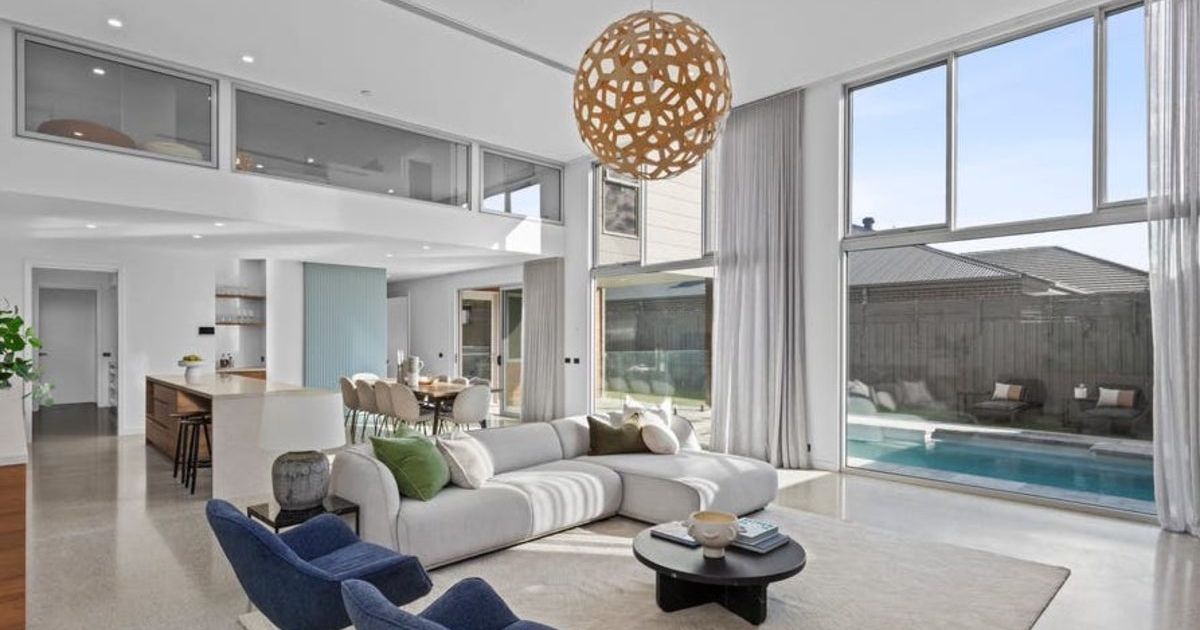
Sustainable Building Materials for Future Homes
The way we construct homes is undergoing a profound transformation. With the rise of sustainable building materials, architects, designers, and homeowners alike are rethinking the fundamentals of how structures are created. These innovative solutions not only promise durability but also align with global aspirations for reducing carbon footprints. Embracing future home trends means looking beyond aesthetics and focusing on efficiency, resilience, and environmental responsibility.

The Foundation of Sustainable Living
At the core of this shift lies the conscious selection of resources. By applying eco construction tips, builders now prioritize materials that minimize waste, conserve energy, and enhance long-term performance. Bamboo, reclaimed wood, and recycled steel have emerged as favorites, proving that practicality can coexist with eco-friendliness. Incorporating a green design guide ensures that every stage, from planning to finishing, remains mindful of sustainability.
Bamboo: Nature’s Gift to Modern Homes
Few materials match bamboo in terms of versatility and rapid renewability. Known for its strength and lightness, it has become a preferred option for flooring, furniture, and even structural components. Its ability to regenerate quickly without depleting soil nutrients makes it a star player in the sustainable housing revolution.
Reclaimed Wood: History Meets Innovation
Reclaimed wood adds character while supporting eco-conscious choices. Salvaged from barns, factories, and old homes, it transforms waste into opportunity. Each beam tells a story while reducing the demand for freshly cut timber, thus preserving forests and ecosystems. Its rustic charm pairs seamlessly with modern design.
Recycled Steel: Strength with Purpose
Steel remains essential in construction, but recycled steel elevates its significance. By repurposing existing metal, energy consumption in production drops dramatically. This practice reduces greenhouse gas emissions while maintaining the resilience and longevity steel is known for. It is a prime example of circular economy principles at work.
Hempcrete: A Breathable Alternative
Hempcrete, made from hemp fibers, lime, and water, is reshaping the concept of insulation. Lightweight and breathable, it regulates indoor climates naturally while being resistant to pests and mold. Hempcrete not only contributes to healthier living environments but also stores carbon, further mitigating environmental impact.
Cork: The Unsung Hero
Cork, harvested from the bark of cork oak trees without harming them, is gaining recognition for its acoustic and thermal properties. Used in flooring, insulation, and wall coverings, it is both renewable and biodegradable. Its tactile appeal adds warmth and elegance to interiors, bridging style and sustainability.
Rammed Earth: Ancient Technique, Modern Application
Rammed earth construction, once traditional, is now making a striking comeback. Compacting soil mixed with stabilizers creates walls that are durable, energy-efficient, and visually stunning. The natural texture of rammed earth delivers a raw, organic beauty while minimizing reliance on industrial materials.
Glass Innovations for Light and Energy
Glass has moved far beyond simple transparency. Today, advanced glass technologies regulate heat, maximize natural light, and even generate solar power. These innovations reduce dependency on artificial lighting and heating, making homes more energy-efficient while enhancing aesthetics.
Insulation Rethought
Modern insulation methods have embraced eco-friendly alternatives like sheep’s wool, cellulose, and recycled denim. These materials not only reduce energy usage but also provide healthier indoor air quality. They are proof that comfort and conscience can coexist in harmony.
Community-Driven Sustainability
The impact of sustainable housing expands when entire communities embrace it. Shared solar grids, communal rainwater systems, and neighborhood recycling initiatives extend eco-conscious practices beyond individual homes. Together, they create a ripple effect of environmental stewardship.
The Financial Wisdom of Going Green
Opting for sustainable choices isn’t just ethically sound—it makes financial sense. Reduced energy bills, government incentives, and long-term durability turn these investments into cost-saving measures. Homeowners reap both ecological and economic rewards, proving sustainability is as practical as it is visionary.
Future Horizons
The horizon of construction gleams with innovation. Carbon-neutral concrete, 3D-printed homes using biodegradable compounds, and adaptive smart materials hint at what lies ahead. Future home trends will continue to push boundaries, blending technology with tradition in unprecedented ways.
The evolution of construction is a journey toward harmony with nature. With sustainable building materials, innovative practices, and visionary design, homes can become more than just shelters—they can be symbols of responsibility and resilience. By adopting eco construction tips and following a green design guide, the homes of tomorrow promise not only comfort but also a legacy of preservation for generations to come.