Boiler Trouble? How to Know Whether to Repair or Replace Your System
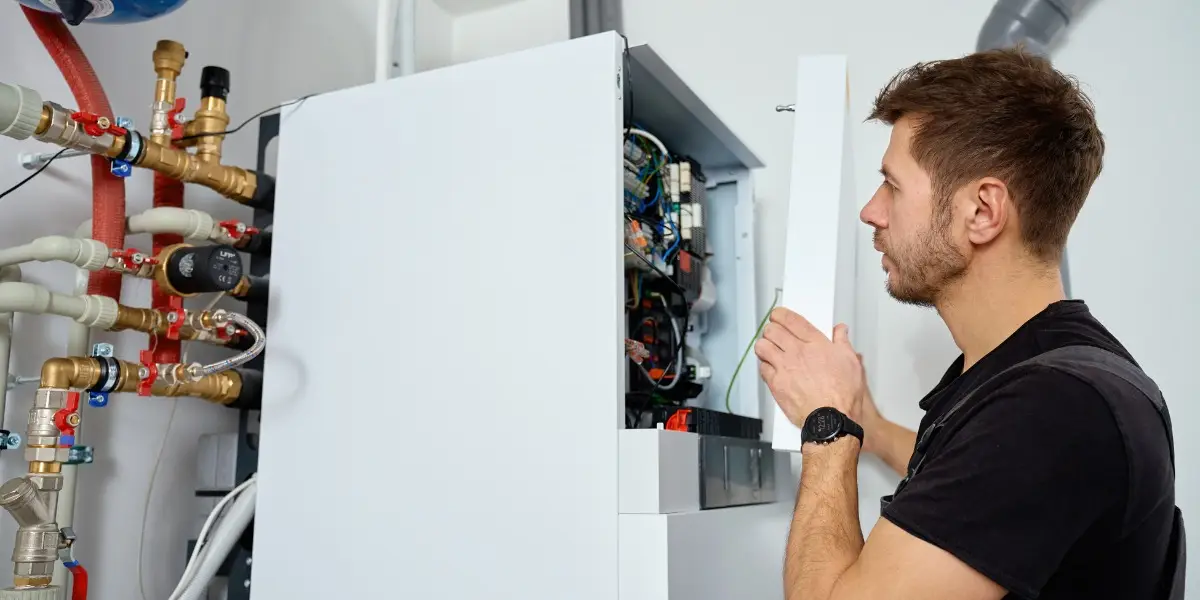
A reliable boiler keeps your home warm and your hot water flowing without much fuss. Yet even well-maintained systems develop problems over time, and deciding whether a repair will do or a full replacement makes more sense can feel unclear.
Recognising the early signs of boiler trouble helps you act before minor issues turn into bigger ones. Age, rising costs, inconsistent performance and safety concerns all play a part in the decision, and understanding them gives you a clearer path forward.
Common Indicators That Something Is Wrong
Boilers rarely fail without warning. Unusual noises such as banging, whistling or constant cycling often point to trapped air, pressure problems or a failing component. Inconsistent room temperatures or water that fails to reach the set level usually mean the system is struggling to circulate heat properly.
Higher energy bills that cannot be explained by colder weather or increased use are another practical clue. An inefficient boiler works harder and uses more fuel to achieve the same result. Visible water around the unit, damp patches on nearby walls or a drop in system pressure also deserve attention, as leaks reduce efficiency and can damage surrounding areas if left unchecked.
Strange smells, particularly those that resemble gas or burning, should never be ignored. These can indicate ventilation problems or, in gas systems, a more serious issue that needs immediate professional assessment.
Age and Overall Condition
Most boilers, when regularly serviced, last between 10 and 15 years. Once a system approaches or passes that range, parts become harder to source and efficiency naturally declines. Newer models incorporate improved controls and better heat exchangers that use fuel more effectively.
If your boiler is already more than a decade old and showing repeated faults, the case for replacement strengthens. A younger system with a single, straightforward fault is often worth repairing. The deciding factor is usually how many other components show wear and how reliable the unit has been in recent years.
Weighing Repair Costs Against Replacement
Frequent call-outs add up quickly. A useful rule of thumb is to compare the estimated repair bill with the remaining value of the boiler. When a single repair or a cluster of repairs approaches or exceeds half the cost of a comparable new unit, replacement often becomes the more practical long-term choice.
Consider also the disruption and temporary loss of heating or hot water that repeated repairs bring. A newer system can reduce those interruptions and usually comes with a manufacturer’s guarantee that covers parts and labour for a defined period.
Energy performance matters too. An older boiler that consumes more fuel than necessary will continue to inflate bills even after a repair. Calculating the likely running-cost difference over the next five to ten years helps put the upfront outlay into perspective.
Safety and Reliability Factors
Safety should sit at the centre of any decision. Persistent pressure loss, corrosion, or repeated ignition failures can signal underlying problems that a simple part swap may not fully resolve. Professional engineers can pressure-test the system, check flue integrity and assess the condition of key components such as the heat exchanger and pump.
If the engineer identifies issues that affect safe operation, replacement is the responsible route. Even when the system is still functioning, a history of near-misses or temporary fixes that fail to hold suggests the boiler is nearing the end of its useful life.
Practical Steps to Help You Decide
When facing the choice, work through these points in order:
- Note the age of the boiler and the date of its last full service.
- List every repair needed in the past two to three years and their total cost.
- Compare current energy use with previous winters, adjusting for weather.
- Ask a qualified engineer for an honest assessment of remaining lifespan and any safety concerns.
- Obtain clear quotes for both the proposed repair and a suitable replacement, including installation and any necessary system upgrades.
This structured approach keeps the decision grounded in facts rather than urgency or sales pressure.
Final Verdict
Deciding whether to repair or replace a boiler rests on a clear view of its age, reliability, running costs and safety. Catching signs of boiler trouble early gives you time to gather proper information rather than reacting in a crisis.
Speak with a qualified heating engineer, weigh the numbers carefully, and choose the option that delivers consistent comfort and sensible long-term value for your home.