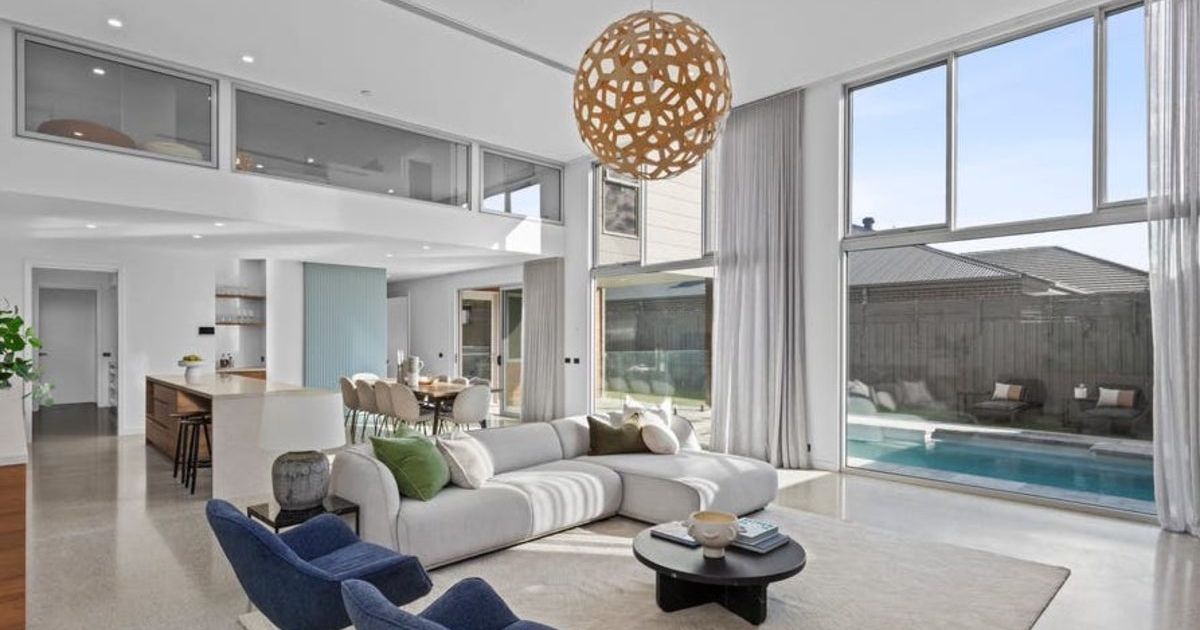
Budget-Friendly Home Makeovers: Unlock Stylish Renovations Without Breaking the Bank

Introduction & Background
Renovating your home does not have to be a costly affair that drains your savings. With smart planning, creativity, and a bit of elbow grease, you can transform your living space into a stylish sanctuary without spending a fortune. Whether you are a first-time homeowner or a seasoned renter, budget-friendly home makeovers offer a practical way to refresh your environment while keeping finances in check. In today’s fast-paced world, where living spaces often reflect personal style and comfort, making affordable upgrades can significantly enhance your daily life without breaking the bank.
Concept & Overview
Budget-friendly home makeovers focus on maximizing the impact of your renovation while minimizing expenses. The core idea is to prioritize changes that deliver the most visual and functional improvements for the least cost. This approach involves repurposing existing items, shopping smartly for materials, and tackling DIY projects that add personality and value to your home. By focusing on small, strategic updates rather than full-scale remodels, you can achieve a refreshed look that feels new and tailored to your taste.
Key Features & Highlights
- Prioritize High-Impact Areas: Focus on spaces that guests and family members see most often, such as the living room, kitchen, and entryway, to create an immediate impression of a refreshed home.
- Leverage What You Already Have: Before buying new furniture or decor, assess what you can repaint, rearrange, or upcycle. A fresh coat of paint on cabinets or shelves can work wonders.
- Shop Secondhand and Discount Stores: Thrift stores, flea markets, and discount retailers often carry gently used items or affordable alternatives that fit your style.
- DIY Where Possible: Simple projects like painting an accent wall, installing peel-and-stick backsplash tiles, or updating cabinet hardware can be done without professional help.
- Use Multi-Functional Furniture: Opt for pieces that serve more than one purpose, such as storage ottomans or sofa beds, to maximize space and value.
- Focus on Lighting: Swapping out old light fixtures for energy-efficient LED bulbs or adding floor lamps can instantly modernize a room without a hefty price tag.
- Incorporate Greenery: Adding low-maintenance indoor plants brings life and color to spaces and improves air quality, often at a minimal cost.
- Plan for the Long Term: Even on a budget, choose materials and designs that are durable and timeless to avoid frequent replacements.
Frequently Asked Questions / Pros & Cons
What are the biggest challenges of budget-friendly home makeovers?
One of the main challenges is finding the balance between affordability and quality. Cheap materials may not last long, while higher-end options can strain a limited budget. Another challenge is avoiding the temptation to overspend on non-essential upgrades that do not add long-term value.
Is it possible to renovate a kitchen on a tight budget?
Absolutely. Focus on updating cabinet hardware, painting existing cabinets, and replacing outdated appliances with energy-efficient models. Adding open shelving or a new backsplash can also transform the look without a major investment.
How do I choose between DIY and professional help?
Evaluate your skills and the complexity of the project. Simple tasks like painting, assembling furniture, or installing peel-and-stick tiles are great DIY projects. For structural changes, plumbing, or electrical work, hiring professionals ensures safety and quality.
What are the pros of budget-friendly makeovers?
- They allow homeowners to refresh their space without financial stress.
- They encourage creativity and resourcefulness.
- They often involve repurposing materials, reducing waste and environmental impact.
- They can be done in stages, allowing flexibility over time.
What are the cons of budget-friendly makeovers?
- Some projects may require more time and effort than hiring professionals.
- Low-cost materials may not always match the durability of higher-end options.
- There may be limitations in achieving a completely customized or luxury look.
- DIY mistakes can sometimes lead to additional costs if repairs are needed.
Practical Guidance & Solutions
Start by setting a clear budget and prioritizing projects based on your needs and lifestyle. Create a detailed plan that outlines each step, including materials, tools, and estimated costs. Before purchasing anything, measure your space to avoid buying items that do not fit. If you are unsure about a DIY project, watch online tutorials or take a workshop to build your confidence.
When shopping for materials, compare prices at multiple stores and consider sales or clearance items. Donate or sell items you no longer need to declutter and fund your makeover. For larger projects, break them into smaller phases to spread out the cost over time. Keep an eye on your local community for free or low-cost resources, such as tool libraries or recycled building materials.
Finally, involve family members or roommates in the process to make it a collaborative effort. Celebrate small victories along the way, and remember that the goal is to create a home that feels welcoming and reflects your personality, not to achieve perfection.
Conclusion
Budget-friendly home makeovers prove that style and affordability can go hand in hand. By focusing on smart choices, creativity, and incremental improvements, you can transform your living space into a place you love without financial strain. Whether you start with a fresh coat of paint, rearrange your furniture, or add a few stylish accents, every small change contributes to a bigger impact. Embrace the process, enjoy the journey, and watch as your home evolves into a stylish reflection of your vision and values.