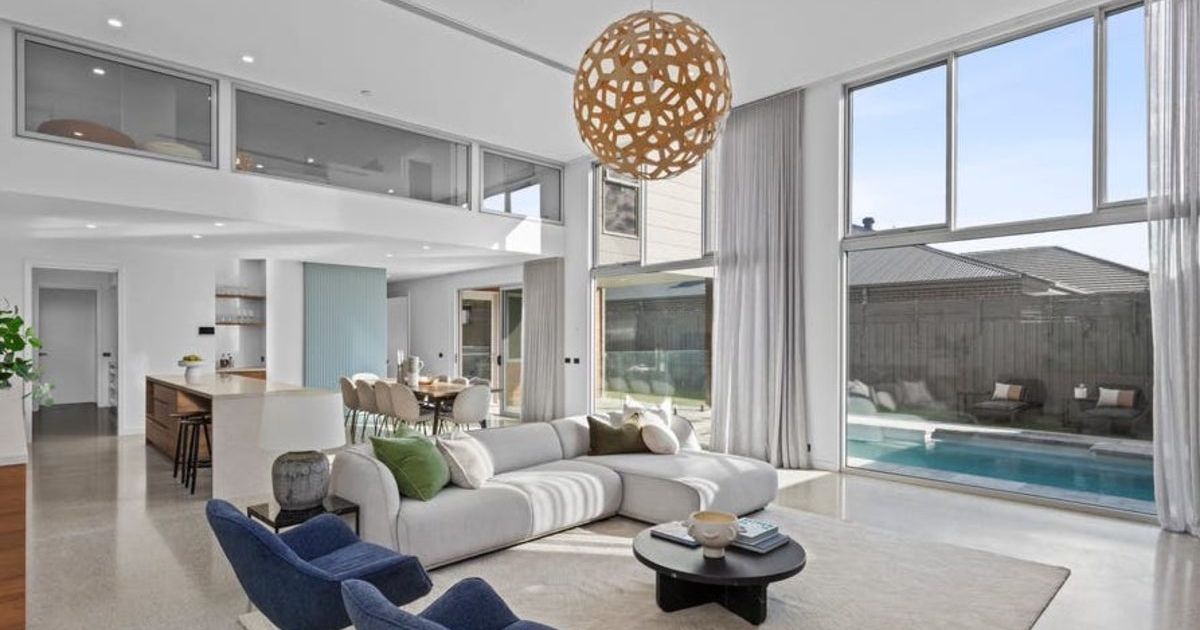
Cooking Space: Where Culinary Magic Meets Cozy Corners

Introduction & Background
The heart of any home is often its cooking space, a place where families gather, traditions are passed down, and creativity comes to life. Beyond its functional role, the kitchen serves as the stage for culinary magic, blending artistry with warmth and comfort. In recent years, the concept of a cozy cooking space has gained popularity, reflecting a growing desire for environments that nurture both body and soul. Whether it’s a compact apartment kitchen or a sprawling gourmet space, the design and ambiance of this area can transform the way we experience food and connection. Understanding how to create a cooking space that balances efficiency with coziness is essential for anyone looking to enhance their home.
Concept & Overview
A cooking space is more than just a room equipped with appliances and countertops. It embodies the fusion of functionality and comfort, where every element is thoughtfully curated to inspire and facilitate cooking. At its core, a well-designed cooking space prioritizes workflow, storage, and ambiance, ensuring that the act of preparing meals feels effortless and enjoyable. The best cooking spaces are those that adapt to the needs of their users, whether that means accommodating a single cook or a bustling family. From the choice of materials to the layout of appliances, every detail contributes to the overall atmosphere and efficiency of the space.
The growing trend toward cozy corners within the kitchen reflects a broader shift in home design, where spaces are tailored to foster relaxation and connection. These nooks often feature comfortable seating, soft lighting, and personal touches that make the kitchen feel like more than just a workspace. By blending practicality with personality, a cooking space becomes a sanctuary where culinary magic can unfold without sacrificing warmth or style.
Key Features & Highlights
- Ergonomic Layout: A well-planned cooking space maximizes efficiency by organizing work zones logically. The classic kitchen triangle, sink, stove, and refrigerator, remains a timeless principle, ensuring that movement flows smoothly during meal preparation.
- Ample Storage Solutions: Clever storage options, such as pull-out cabinets, open shelving, and spice racks, keep the space clutter-free and functional. Hidden storage for appliances and utensils can also contribute to a streamlined appearance.
- Quality Lighting: Layered lighting is key to creating the right ambiance. Task lighting illuminates work areas, while ambient lighting adds warmth. Dimmer switches allow for adjusting the mood to suit different activities, from cooking to dining.
- Durable and Stylish Materials: Surfaces that are both practical and aesthetically pleasing are essential. Countertops made from quartz or granite resist stains and scratches, while backsplashes in ceramic or glass add a touch of elegance. Flooring options like hardwood or tile provide durability without compromising on style.
- Comfortable Seating Areas: A cozy corner with a banquette, bar stools, or a small table encourages lingering and socializing. This space can double as a breakfast nook or a spot for quick coffee breaks, blending utility with comfort.
- Smart Appliances: Modern cooking spaces benefit from high-efficiency appliances that save time and energy. Induction cooktops, smart refrigerators, and multi-functional ovens are just a few examples of how technology enhances the cooking experience.
- Personal Touches: Decorative elements like plants, artwork, or family photos infuse personality into the space. These touches make the kitchen feel inviting and uniquely yours, transforming it into a place where memories are made.
Frequently Asked Questions / Pros & Cons
What are the most important elements to consider when designing a cooking space?
When designing a cooking space, prioritize functionality above all else. Consider the kitchen’s layout to ensure a smooth workflow, and invest in high-quality materials that balance durability with aesthetics. Lighting, storage, and seating are also critical factors. Don’t overlook the importance of ventilation, as proper airflow keeps the space fresh and comfortable during cooking sessions.
How can I make a small cooking space feel cozy and inviting?
In a small kitchen, focus on maximizing vertical space with shelves or hanging pot racks. Use light colors for cabinets and walls to create an open, airy feel. Incorporate multifunctional furniture, such as a fold-down table or stools that tuck away. Soft lighting and textiles, like a colorful rug or curtains, add warmth and texture to the space.
What are the benefits of having a cozy corner in the kitchen?
A cozy corner provides a comfortable spot to relax while meals are being prepared or to enjoy a casual meal. It fosters connection, making the kitchen a hub for family and friends to gather. Additionally, a well-designed nook can enhance the overall aesthetic of the space, turning it into a visually appealing area that reflects your personal style.
What are the drawbacks of an open-concept cooking space?
Open-concept kitchens can sometimes suffer from noise and odor transfer, especially if cooking is frequent. Without walls to contain messes, keeping the space tidy may require more effort. Privacy can also be an issue, as conversations and activities in the kitchen may be overheard in adjacent living areas. Proper ventilation and organizational systems can mitigate these challenges.
How do I balance style and functionality in a cooking space?
Start by selecting materials and finishes that are both durable and visually appealing. Opt for neutral base colors with pops of color in accessories to keep the space fresh yet inviting. Invest in appliances that offer both performance and sleek design. Finally, incorporate personal touches through decor, ensuring the space reflects your taste while remaining practical for everyday use.
Practical Guidance & Solutions
Creating the perfect cooking space starts with assessing your needs and lifestyle. If you love hosting dinner parties, prioritize ample seating and open counter space for serving. For busy families, focus on storage solutions that keep clutter at bay, such as deep drawers or pull-out pantries. When space is limited, consider vertical storage options or multi-purpose furniture to maximize every inch.
Lighting plays a crucial role in setting the mood. Combine overhead lights with under-cabinet LEDs for task lighting, and add a statement fixture, like a pendant lamp, to enhance the room’s character. For a cozy feel, incorporate warm-toned bulbs and dimmer switches to adjust the brightness as needed.
Don’t underestimate the power of textiles in adding warmth to your cooking space. A plush rug in front of the sink, colorful dish towels, or cushioned bar stools can make the area feel more inviting. Plants are another great way to bring life and freshness into the room, while also improving air quality.
Finally, keep the space organized by implementing a “clean as you go” routine. Assign a designated spot for every item, from utensils to spices, to maintain a clutter-free environment. Regular decluttering sessions will ensure that your cooking space remains a joy to use, rather than a source of stress.
Conclusion
The cooking space is where culinary magic truly comes to life, blending the art of food with the warmth of home. Whether you’re crafting a gourmet meal or sharing a simple snack with loved ones, the right design can elevate every moment spent in the kitchen. By focusing on functionality, comfort, and personal style, you can transform this essential space into a cozy corner that inspires creativity and fosters connection. Remember, the best cooking spaces are those that reflect your unique needs and tastes, making them not just a place to cook, but a sanctuary where memories are made.