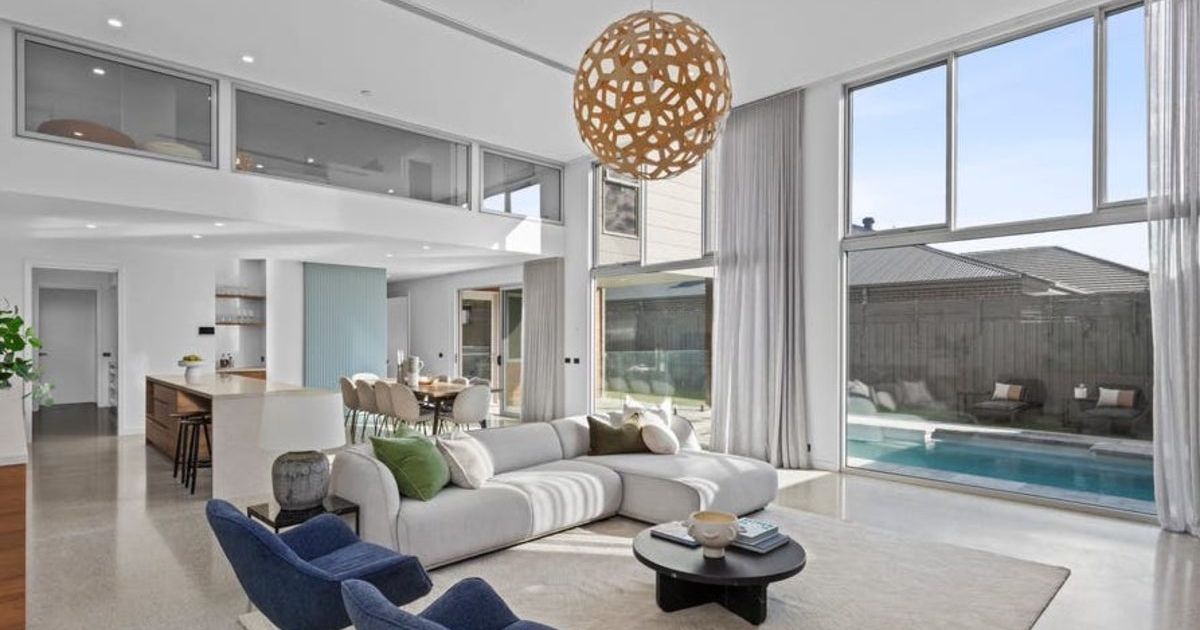
Dream Living: How to Design a Home That Feels Like a Haven

Introduction & Background
Imagine walking into a space that instantly makes you feel at ease, where every detail aligns with your desires and comfort. This is the power of a dream living home, a sanctuary that reflects your personality, values, and lifestyle. In today’s fast-paced world, our homes serve as more than just shelter; they are places of rejuvenation, creativity, and connection. Designing a home that feels like a haven is not just about aesthetics but about creating an environment that nurtures your well-being and inspires your spirit. Whether you are renovating an existing space or building from scratch, the goal remains the same: to craft a home that feels uniquely yours.
Concept & Overview
At its core, a dream living home is a personalized retreat that balances functionality with emotional resonance. It goes beyond trends and decor to focus on how a space makes you feel. The concept revolves around intentional design, where every element, from the layout to the smallest decor piece, is chosen to enhance comfort, joy, and harmony. Key principles include understanding your lifestyle, prioritizing natural elements, and ensuring that the space supports both relaxation and productivity. The result is a home that feels like a warm embrace, a place where you can unwind and recharge without distraction.
Key Features & Highlights
- Personalized Layout: The foundation of a dream home is a layout that flows naturally with your daily routines. Open-concept spaces for socializing, cozy nooks for solitude, and efficient storage solutions all contribute to a seamless experience.
- Natural Light & Greenery: Abundant natural light and indoor plants breathe life into a space, reducing stress and boosting mood. Large windows, skylights, and strategically placed mirrors can amplify light, while plants add texture and a touch of nature.
- Comfortable Materials: Soft, tactile materials like plush fabrics, warm woods, and smooth stones create a sensory-rich environment. These choices not only feel inviting but also stand the test of time in both durability and style.
- Soothing Color Palette: Colors have a profound impact on emotions. A dream home often features a harmonious color scheme that promotes calmness and focus, such as soft neutrals, earthy tones, or muted pastels. Accents can introduce vibrancy without overwhelming the space.
- Multi-Functional Spaces: Flexibility is key in modern living. A home office that doubles as a guest room, a dining area that transforms into a workspace, or a cozy reading corner that adapts to different needs ensures the space evolves with you.
- Technology Integration: Smart home features like automated lighting, climate control, and sound systems can enhance convenience and comfort. The goal is to use technology to simplify life, not complicate it.
- Sentimental Touches: Incorporating personal mementos, family heirlooms, or artwork that resonates with you adds depth and meaning to the space. These elements tell your story and make the home uniquely yours.
Frequently Asked Questions / Pros & Cons
What defines a dream living home?
A dream living home is a space designed to align with your personal needs and preferences, creating a sanctuary that feels both functional and emotionally fulfilling. It is more than just a house; it is a reflection of who you are and what brings you joy.
Is it expensive to create a dream home?
While customization often comes with a cost, it is possible to achieve a dream home on various budgets. Prioritizing key elements, such as natural light or quality materials, and gradually updating the space can make the process more affordable. Creativity and thoughtful planning can also reduce expenses without sacrificing quality.
How do I choose the right color palette for my home?
Start by considering the mood you want to evoke in each room. For relaxation, opt for soft blues or greens, while energizing spaces might benefit from warm yellows or oranges. Test paint samples in different lighting conditions to see how they interact with your space throughout the day.
Can a small space feel like a dream home?
Absolutely. Clever storage solutions, multifunctional furniture, and a minimalist approach can make even the smallest space feel cozy and luxurious. The focus should be on maximizing the area you have while keeping the design cohesive and clutter-free.
What are the pros and cons of open-concept living?
Pros: Open-concept layouts create a sense of spaciousness, encourage social interaction, and allow for flexible use of space. They also make it easier to incorporate natural light and maintain sightlines throughout the home.
Cons: Lack of privacy and potential noise issues are common drawbacks. Without walls to separate spaces, it can be challenging to contain messes or create quiet zones for work or relaxation.
How important is natural light in a dream home?
Natural light is crucial for both physical and mental well-being. It enhances mood, improves productivity, and makes spaces feel more inviting. If your home lacks natural light, consider using light-colored walls, mirrors, and artificial lighting that mimics daylight to brighten the space.
Practical Guidance & Solutions
Creating a dream home begins with self-reflection. Ask yourself what truly makes you feel at home. Is it the warmth of a fireplace, the tranquility of a garden, or the ease of a clutter-free environment? Once you identify your priorities, you can start making intentional choices.
Begin with the layout. If you love to entertain, design an open space that flows seamlessly from the kitchen to the living area. If you need a quiet retreat, carve out a personal sanctuary with a comfortable chair, soft lighting, and soundproofing elements. Remember, the best layouts are those that align with your lifestyle.
When selecting materials and colors, think about texture and longevity. Invest in quality pieces that will age gracefully, such as hardwood floors or a durable sofa. For colors, choose a neutral base and layer in accents that reflect your personality. This approach allows for easy updates over time without a complete overhaul.
Don’t underestimate the power of greenery. Even in small doses, plants can transform a space by adding life and freshness. Opt for low-maintenance varieties like snake plants or pothos if you are new to gardening, or create a statement with a large fiddle-leaf fig.
Finally, embrace imperfection. A dream home doesn’t have to be flawless; it just needs to feel right to you. Allow yourself to experiment, make mistakes, and evolve your space over time. The most meaningful homes are those that grow with you, reflecting your journey and experiences.
Conclusion
Designing a home that feels like a haven is a deeply personal journey, one that blends creativity, intention, and self-awareness. It is about crafting a space that not only looks beautiful but also nurtures your soul, energizes your spirit, and provides comfort at every turn. Whether you are starting from scratch or refining an existing space, remember that the goal is not perfection but authenticity. Your dream home should be a place where you feel truly at peace, surrounded by elements that inspire and uplift you. As you embark on this process, let your intuition guide you, and trust that with thoughtful planning and a little creativity, you can transform any space into the sanctuary you deserve.